
The Celebration of Life Experience

From morning to evening, you'll be held through a powerful arc of connection, communiuty, and remembrance. Come for what you need. Leave with what you didn't know was possible.
11:00 am (Wings + Ascend Ticket Holders Only)
11:30 am (General Ticket Holders)
Doors Open
The doors open and the day begins. Take your time with our vendors and settle in before the program starts.
Private 1:1 sittings with our mediums also begin during this time, available by advance appointment only.
A private sitting is thirty minutes, just you and one medium, in a quiet room away from the floor. The medium works to bring through the people in your life who have died, offering specific details so you know who is present. In the evening demonstration, not everyone's person steps forward. In a private sitting, the full thirty minutes belong to you and whoever you came for. Sittings are limited and book quickly.
Meet the mediums and reserve your sitting →
12:00 pm
Welcome Gathering
Colleen opens the day with a heartfelt welcome, setting the tone for a gathering built on connection, compassion, and shared understanding. From there, we turn the floor over to powerful personal testimonies from people who have walked through profound loss and found their way forward. These are honest, moving stories, offered not as a roadmap but as a reminder that healing looks different for everyone, and that there is no single right way to grieve. Together, they set the stage for a day of learning, connection, and hope, and remind us that whatever we're carrying, we don't carry it alone.
1:00 pm
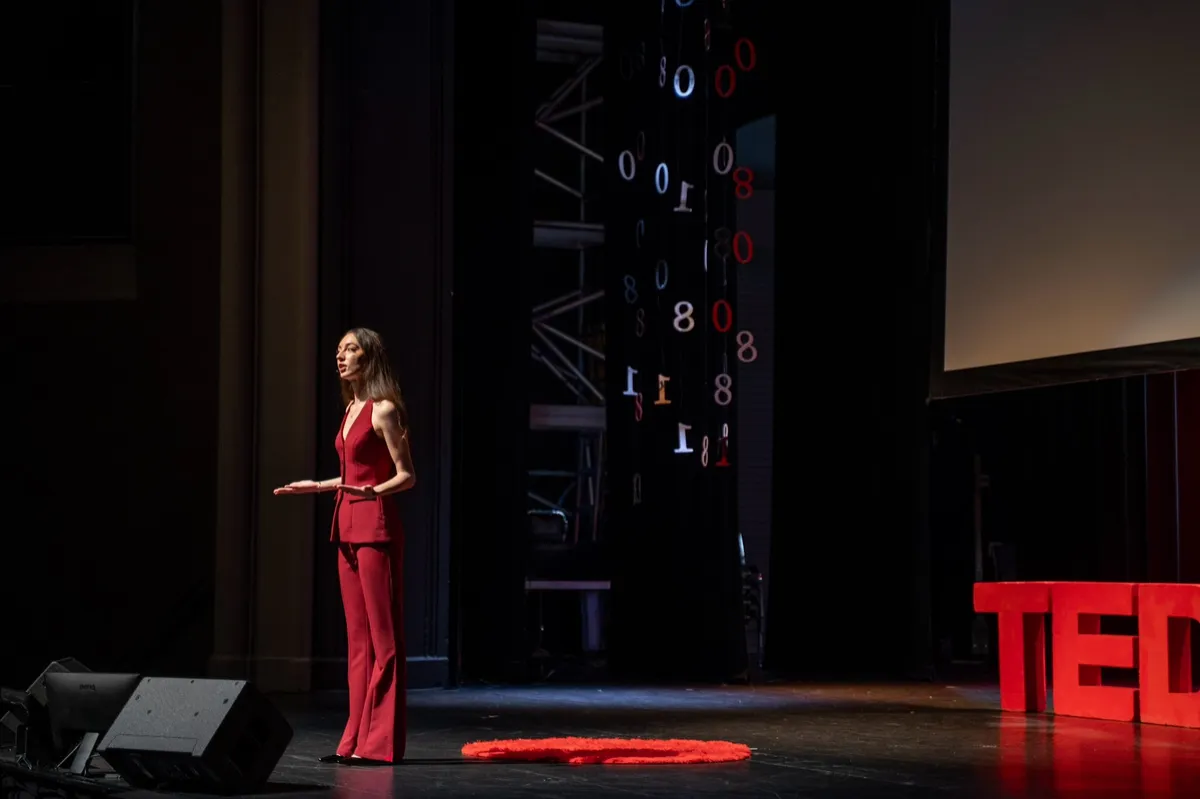
Featured Keynote -
The Grief Gap: Bridging What Grief Requires and What the World Expects
Our featured keynote welcomes Cassidie Carmen Bates, MPP, to the Celebration of Life stage. Cassidie is a TEDx speaker, grief and bereavement policy researcher, and founder of Soul Executor. Her work explores grief and bereavement through a policy lens, including how grief affects the brain and body and what that means for the way workplaces support people after a loss. Cassidie's research is especially focused on creating bereavement leave structures that work for both employees and employers, including the realities faced by those suddenly responsible for managing a loved one's estate. In this keynote, Cassidie Carmen Bates, MPP, brings together research and lived expertise to explore the realities of grief, why there is no one-size-fits-all way to grieve, and how our death-avoidant culture shapes the ways we are supported after loss.
3:00 pm
Expert Panel: What do I do now? Building a life with loss.
Five people who think about death and loss for a living, in conversation, moderated by Verhanika Willhelm. Between them they bring research, teaching, cultural tradition, and their own losses. You will leave with a wider sense of what grief can look like, and permission to do it your own way.
Pat Lowinger (Sequim, WA) teaches at Peninsula College, where his courses cover death, ritual, and witchcraft. He studies how different cultures across history have handled dying. You will hear that the American way of doing death is not the only way, and not the oldest way.
Dr. Pamela Steele (Seattle) is a retired therapist, a longtime crisis line volunteer, an author, and the founder of Navigate Grief. She believes grief is not something you beat, but something you walk beside, and that it takes up less room in your heart as your world grows. You will leave knowing you are not failing if it is still there.
Dr. Janet McCord (Wisconsin) runs the master's program in thanatology, the study of death and dying, at Edgewood. She has spent nearly thirty years in this field and is a past president of the Association for Death Education and Counseling. She will tell you what the research actually says about grief, and how much of what you have been told is simply wrong.
Migizi Miigwan (Port Angeles, WA) is Chippewa Odawa from the Great Lakes region and teaches Integrated Indigenous Studies at Peninsula College, where she built the program. She speaks from both the classroom and her own losses, on how her people hold death and each other.
4:00 pm
Community Break
Step outside and take a breath. The air off Elliott Bay is cool and the light is starting to turn, and there is no better time to stand still for a minute. Grab a meal from the food trucks.
When you're ready, come back in. Explore the vendor floor, where a range of services and offerings are available throughout the day. Find a familiar face, or a new one. Have something to eat. Or simply sit and let the day settle before the evening begins.
There is nowhere you need to be right now. That's the point of this hour. Please be back in your seat by 4:50.
Featured Food Trucks from Asian Crazy and Levantine Cuisine will be onsite from 2-5 pm


5:00 pm
An Evening of Mediumship
We close the day with an Evening of Evidential Mediumship, hosted by Colleen and featuring five additional international professional mediums, all trained in the evidential tradition.
Here's what that actually means. Rather than vague impressions, the mediums work from the stage to deliver specific, verifiable details about people who have died, to audience members they have never met. The particular things that let you know without a doubt that it is your person coming through.
Every medium joining us was hand selected for three things: ability, integrity, and an ongoing commitment to their own development. In this field, the last two are rarer than the first.
Colleen and the team will work the room throughout the evening, and while not everyone present will receive a personal message, the experience is a shared one. Together, we'll come to see that relationships don't end, they simply change form.
Respectful skeptics are genuinely welcome. We only ask that everyone arrive with an open heart and an open mind.
A few things to know before we begin: Once the mediums start working, there is no entry or exit from the ballroom. Please take care of anything you need beforehand. Film and photography are not permitted during this portion of the program.
PR & Media Relations
Celebration of Life Seattle is introducing a new conversation around grief, remembrance, and community. We welcome media outlets, journalists, podcast hosts, and content creators interested in covering the event, interviewing our founder, or learning more about our mission.
For all media and public relations inquiries, please contact: [email protected]
Stay connected. Grief doesn't move on a schedule, and neither do we. Subscribe for updates on Celebration of Life Seattle, vendor and speaker announcements, ticket releases, and the gatherings we are building next. Join a community that was made for exactly what you are carrying.


